
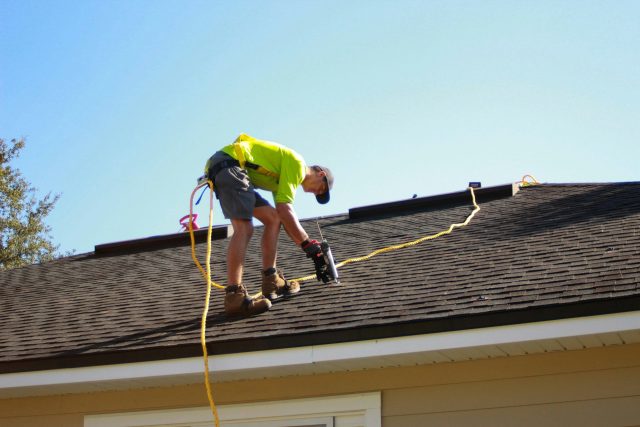
Let me tell you something that might save you thousands of pounds and weeks of headaches. Last month, I watched my neighbour in Clapham get completely taken for a ride by cowboys claiming to be professional roofers. Three grand lighter and with a roof that still leaked like a sieve, she was left picking up the pieces.
It got me thinking – how many Londoners are getting stung every single day simply because they don’t know what to look for?
Why This Matters More Than You Think
Here’s the thing about London roofs. They’re not like roofs anywhere else in the country, are they? I mean, where else do you get Victorian terraces butting up against glass-fronted new builds, all while dealing with pollution levels that eat through materials faster than you can say “leadwork”?
The stats are pretty shocking actually. Seven out of ten roofing problems aren’t down to dodgy materials or acts of God – they’re because someone bodged the installation in the first place. And with the crazy weather we’ve been having (remember that mental storm in February?), your roof needs to be absolutely spot on.
Property values are another massive factor. A mate of mine who’s an estate agent in Fulham reckons a dodgy roof can knock anywhere from 5 to 15 percent off your asking price. On a million quid property, that’s… well, you can do the maths.
The Qualifications That Actually Matter
Right, let’s get into the nitty gritty. There are loads of accreditations floating about, but which ones should you actually care about?
NFRC – The Big One
The National Federation of Roofing Contractors is basically the gold standard. They’ve been going since Victorian times (bit like some of the roofs in my street), and they properly vet their members. We’re talking site inspections, financial checks, the works.
When I’m looking for a roofer in London, NFRC membership is the first thing I check. Why? Because these guys have to jump through proper hoops to get in. They can’t just rock up with a van and a ladder and call themselves members.
CompetentRoofer – The Legal Bit
This one’s interesting. If you’re replacing more than half your roof in London (and let’s face it, once you start, it often ends up being more than you planned), you need Building Control notification. It’s the law.
CompetentRoofer members can self-certify the work meets Building Regs. Saves you a fortune in inspection fees and stops you getting in hot water down the line when you come to sell.
TrustMark – Government Backing
TrustMark is the government’s attempt to clean up the cowboy situation. Annual audits, complaint procedures, the lot. It’s not perfect – what government scheme is? – but it adds another layer of protection.
CORC Membership
The Confederation of Roofing Contractors is smaller than NFRC but still solid. Lots of good family firms are CORC members. Don’t discount them just because they’re not NFRC.
Insurance – The Absolute Essential
This is where it gets serious. Every proper roofer needs public liability insurance – minimum one million quid, though in London, two to five million is more common. Why the difference? London property values, innit.
But here’s what most people miss: employers’ liability insurance. If a roofer’s mate falls off your roof and isn’t covered, guess who might be liable? Spoiler: it’s not gonna be them.
Ask to see the actual certificates. Don’t be fobbed off with “yeah mate, we’re covered”. I’ve seen fake certificates that look proper convincing until you ring the insurer.
Questions That Sort the Wheat from the Chaff
I’ve developed a bit of a system over the years for grilling potential contractors. Might seem a bit OTT, but it works.
The Experience Questions
“How long have you been working specifically in London?” is my opener. London’s different, and they need to know that. Conservation areas, party wall agreements, residents’ parking permits for their vans – it’s all part of the game here.
Then I ask for addresses of similar jobs. Not just “we did a house in Wandsworth once”, but actual streets. If they’re legit, they’ll have a list as long as your arm. One contractor I spoke to pulled out his phone and showed me about thirty jobs on Google Maps. That’s what you want to see.
“What percentage of your work is on properties like mine?” Dead important, this one. The crew that’s brilliant at modern flat roofs might be useless with Welsh slate.
The Technical Stuff
Now, you don’t need to be Bob the Builder to ask these questions. Just drop in “Which British Standards do you follow?” and watch their response.
Proper contractors will rattle off BS 5534 for slating and tiling without missing a beat. If they look blank or start waffling, you’ve got your answer.
Ventilation’s a big one. One in five UK homes has condensation problems from poor roof ventilation. Ask them how they’ll ensure adequate airflow. If they start talking about soffit vents, ridge vents, and vapour barriers, you’re on the right track.
Warranties are crucial. You want at least ten years on workmanship, separate from manufacturer guarantees. And make sure it’s insurance-backed – I learned this the hard way when a roofer went bust two years after doing my mum’s place in Ealing.
The Business Questions
“What happens if you find something unexpected?” This one’s brilliant for smoking out the chancers. Professional contractors have a proper change order process. Cowboys will either promise it’ll all be fine (red flag) or start talking about cash deals (massive red flag).
Weather delays are part of life in London. Ask how they handle them. Good contractors have systems for protecting exposed areas and keeping you informed about revised schedules.
The safety question’s important too. They should mention scaffolding, edge protection, debris management. If they’re planning to scramble about on your roof with just a ladder, run a mile.
Red Flags That Should Send You Running
I’ve seen all sorts over the years. Here are the ones that should have you showing them the door sharpish.
Pricing That Doesn’t Add Up
Look, we all love a bargain, but roofing isn’t the place to hunt for the cheapest deal. Professional roofers in London charge £200-350 a day for labour alone. Add materials, overheads, profit margin… if someone’s quoting half what everyone else is, there’s a reason.
Door knockers are the absolute worst. “We were just doing your neighbour’s roof and noticed yours needs work.” No. Just no. Proper roofers are booked up weeks in advance. They don’t tour the streets drumming up business.
Big deposits are another warning sign. Ten to twenty-five percent is normal. Anyone wanting half upfront is probably using your money to finish the last job. Or worse, they’re about to do a runner.
Documentation Dodgers
Won’t provide a written quote? Not a proper business. Simple as. Everything should be documented – materials, labour, timescales, payment terms. Verbal agreements aren’t worth the paper they’re not written on.
Insurance documents should be readily available. I once had a bloke claim his certificates were “at the office”. When I insisted on seeing them before any work started, he never came back. Dodged a bullet there.
No proper contract means no comeback if things go wrong. Professional contractors have proper paperwork. It protects them as much as you.
Behavioural Red Flags
High-pressure sales tactics are a massive no-no. “This price is only valid today” or “I can squeeze you in tomorrow if you decide now” – absolute nonsense. Roofing decisions need time and consideration.
Being evasive about certifications is another one. Ask about their NFRC number or TrustMark registration. If they start dancing around the subject, you know the score.
The reference thing is crucial. Every decent roofer has happy customers willing to vouch for them. If they can’t provide recent, checkable references, something’s off.
Understanding Quotes Without Getting Your Head Spinning
Roofing quotes can be like reading a foreign language. Here’s how to decode them.
Breaking Down the Numbers
Labour and materials should be listed separately. This isn’t them being awkward – it helps you compare quotes properly. Labour rates vary less than material choices, so you can see who’s using quality stuff and who’s cutting corners.
Take clay tiles. Basic ones are thirty quid per square metre. Handmade ones can be £150. Without a breakdown, you can’t tell what you’re getting.
The Hidden Costs Nobody Mentions
Scaffolding’s a big one. £500-1,500 for a typical London terrace. Some quotes include it, others don’t. Always check.
Skip hire and waste removal runs £150-400. In some London boroughs, skip permits alone are eighty quid. Again, check if it’s included.
If you’re doing more than half the roof, Building Control fees kick in. That’s another £200-500 depending on your borough. CompetentRoofer members include this in their service, others might not.
Payment Structures That Make Sense
Steer clear of anyone wanting it all upfront or all at the end. Staged payments work best – bit for deposit, bit when materials arrive, bits at completion stages, final payment after you’re happy.
I quite like the retention idea – holding back 5-10% for a month after completion. Gives you time to check everything’s watertight (literally) before final payment.
Doing Your Homework Properly
Trust but verify, as they say. Here’s how to check contractors aren’t spinning you a line.
Checking Credentials
Don’t just look for NFRC logos on vans. Go to nfrc.co.uk and use their member search. Takes two minutes and confirms they’re actually members.
Ring insurance companies directly. Give them the policy number and confirm coverage is current and adequate. I’ve caught two contractors with expired insurance doing this.
Companies House is brilliant for checking financial stability. Look for regular filing of accounts, consistent directors, absence of County Court Judgements. If they’ve phoenixed (closed one company owing money, opened another), it’ll show up here.
Reference Checking That Works
Three references minimum, and actually call them. Ask specific questions: Were they punctual? How did they handle problems? Would you use them again?
If possible, go and look at completed work. One Saturday morning spent driving around looking at roofs they’ve done tells you more than any quote or certificate.
Online reviews help, but take them with a pinch of salt. Look for patterns in complaints rather than one-off moans. Check how they respond to negative feedback – defensive responses are a red flag.
Local Authority Verification
Some London boroughs maintain approved contractor lists. Worth checking, though not all good contractors will be on them.
Planning portal records show if they’ve gotten proper permissions for previous work. Shows they follow the rules rather than chancing it.
Making Your Final Choice
After all that research, you’ve got to actually pick someone. Here’s my approach.
Comparing Apples with Apples
Three quotes minimum, always. Outliers either way need extra scrutiny. The middle quote isn’t always right, but it’s often thereabouts.
Value beats price every time. The contractor who’s a grand more but includes better materials, longer warranties, and proper insurance might save you money long term.
Look at proposed timelines realistically. Too quick suggests corners being cut. Too long might mean they’re juggling multiple jobs. A roofer in London who knows their stuff gives realistic timescales.
Trust Your Gut
Seriously, intuition matters. If something feels off, it probably is. The contractor who turns up on time, dressed properly, in a sign-written van, with branded paperwork – these things matter.
Good communication during quoting usually continues through the job. If they’re responsive, clear, and patient with questions now, that’s likely to continue.
The comfort factor’s real. You’re letting these people onto your property, possibly for weeks. If you don’t feel comfortable with them, find someone else.
Protecting Yourself with Proper Paperwork
The unglamorous bit, but absolutely crucial.
Contract Essentials
Everything needs documenting. Exact work scope, specific materials, methods, standards. “Reroof as required” isn’t acceptable. You want details.
Payment schedules tied to measurable milestones prevent arguments. “25% when scaffolding’s up, 25% when old roof’s stripped” – that sort of thing.
Get dispute resolution procedures in writing. Many trade associations offer mediation services. Better than ending up in court.
Warranty Wisdom
Ten-year minimum on workmanship, separate from material guarantees. Understand what’s covered and what isn’t. General wear and tear usually isn’t, storm damage usually is.
Insurance-backed guarantees cost 5-10% extra but they’re worth it. If your roofer goes bust, you’re still covered.
Make sure warranties are transferable. Adds value if you sell and shows confidence in the work.
The Bottom Line
Choosing a roofing contractor in London doesn’t have to be a nightmare. It just needs a bit of knowledge and the confidence to ask the right questions.
Yeah, proper contractors cost more than cowboys. But when you factor in putting things right, stress, and potential property damage, they’re actually cheaper. My neighbour in Clapham wishes she’d known that three grand ago.
Take your time, do your research, check everything twice. Your roof protects everything underneath it – your family, your possessions, your investment. Don’t leave it to chance or charlatans.
The good news? There are plenty of brilliant, professional roofers in London. Follow this guide and you’ll find them. And when you do, you’ll sleep better knowing your roof’s in proper hands – even when the next storm hits.