Many older conservatories stop performing well long before the rest of the structure reaches the end of its service life. In many cases, the main issue is not the windows or the base walls, but the roof itself. Ageing polycarbonate systems, worn glazing units, poor insulation values and failing seals can all turn a conservatory into a room that is too hot in summer, too cold in winter and uncomfortable for everyday use.
That is why more homeowners are now considering a tiled conservatory roof replacement instead of continuing to patch recurring issues. A modern solid roof system can significantly improve year-round usability, reduce heat loss, cut glare and external noise, and create a much more finished interior environment. However, it is not always the right solution for every property, and the suitability of any replacement depends on a combination of structural, thermal and design factors.
Signs an Existing Conservatory Roof Is No Longer Performing Well
One of the clearest signs that a conservatory roof is no longer doing its job is a sharp change in internal comfort levels throughout the year. Rooms with older roof systems often become excessively hot in summer and noticeably cold in winter, which makes the space difficult to use consistently. In addition, recurring leaks, visible condensation, drafts around the roofline and increased outside noise can all indicate that the roof is no longer providing reliable weather protection or thermal performance.
Visual ageing can also point to deeper problems. Discoloured panels, worn seals, movement in the frame, or deterioration around the junction with the main property may suggest that the roof has reached the stage where repeated repairs offer only short-term improvement. In those cases, replacing the roof can be a more effective long-term solution than continuing to address isolated faults one by one.
Why Homeowners Choose a Tiled Conservatory Roof Replacement
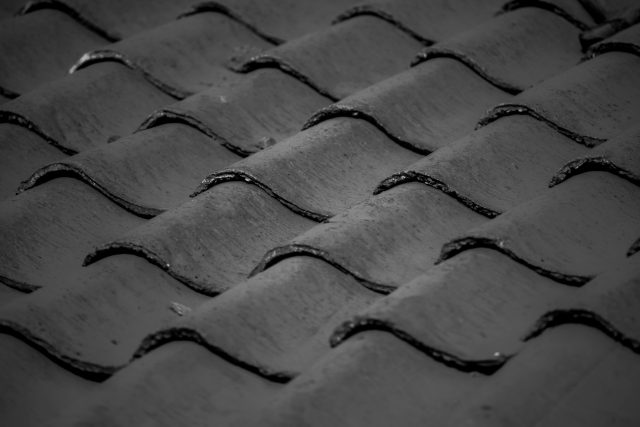
A tiled roof upgrade is often chosen because it changes how the conservatory performs as a room, not just how it looks from the outside. A properly specified replacement introduces insulation layers, better internal finishing and improved control over heat transfer. The result is a space that feels more stable in temperature and more integrated with the rest of the home.
There is also a significant difference in the internal environment once a solid roof system is installed. Reduced glare, lower rain noise and a more finished ceiling can make the conservatory feel less like a seasonal add-on and more like a usable living area. For homeowners who want a room that works throughout the year, this is often one of the strongest reasons to move away from an older lightweight roof system.
What Structural and Thermal Factors Need to Be Considered
Before any roof is replaced, the existing conservatory structure needs to be assessed properly. The supporting frames, foundations and wall connections all have to be suitable for the proposed upgrade. Even when the visible issue appears to be limited to the roof covering, the load path through the whole structure matters. A replacement should never be treated as just a cosmetic improvement.
Thermal design is equally important. Better insulation alone does not guarantee a good outcome if ventilation, moisture control and junction detailing are not handled correctly. A conservatory roof works as a complete system, so factors such as insulation thickness, internal ceiling build-up, ventilation pathways and weatherproofing details all need to work together. This is particularly important where homeowners expect the upgraded space to be heated and used daily.
When a Flat Roof Conservatory Solution May Be More Suitable
Although tiled systems are a popular choice, they are not the only answer. In some projects, a conservatory flat roof may be the better option, especially where the existing layout, desired external appearance or overall property design suits a lower-profile structure. Flat roof systems can also work well on contemporary extensions or where homeowners want a cleaner architectural finish.
The decision usually depends on more than style alone. Roof pitch, drainage requirements, structural compatibility and the way the conservatory connects to the main house all influence whether a pitched tiled roof or a flat roof solution is more appropriate. That is why project-specific assessment matters more than choosing a roof type based only on appearance.
Could an Insulated Conservatory Ceiling Be Enough?
Not every homeowner wants or needs a full roof replacement. In some cases, the main objective is to improve comfort and internal appearance while keeping the existing outer roof structure in place. Where the roof is still fundamentally sound, an insulated conservatory ceiling may be worth considering as an alternative approach.
This type of upgrade can help reduce heat transfer and create a more finished interior feel, particularly where the main complaints relate to temperature control or visual appearance from inside the room. However, it is important to recognise that an internal ceiling solution is not the same as replacing the full roof system. If the external roof is already suffering from leaks, ageing materials or structural weakness, a more comprehensive replacement may still be required.
Choosing the Right Upgrade for Long-Term Performance
The best conservatory roof upgrade is the one that matches the condition of the existing structure, the performance issues being experienced and the long-term use planned for the room. For some homes, a tiled replacement will provide the best balance of thermal improvement, durability and appearance. For others, a flat roof design or an internal insulated ceiling may offer a more suitable route.
What matters most is making the decision based on structural compatibility, thermal performance and the real demands placed on the space. A conservatory that is intended for year-round use needs more than a visual refresh. It needs a roof solution that addresses comfort, weather resistance, insulation and long-term reliability as part of one coordinated system.
Why Homeowners Choose 2Hot2Cold
2Hot2Cold specialises in conservatory roof upgrades designed to improve comfort, insulation and year-round usability. The company offers solutions including pitched tiled roof conversions, conservatory flat roofs, insulated conservatory ceilings and the Leka Xi system, helping homeowners choose a specification that suits both the existing structure and the way the space is intended to be used.