
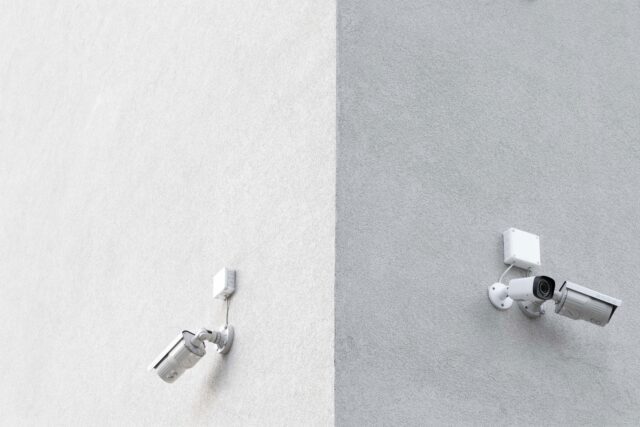
Security technology has quietly become a much bigger part of property management than it used to be — and Cheltenham’s no exception. More homeowners, businesses, and public organisations are turning to surveillance as a practical way to protect assets, keep an eye on activity, and just generally feel more in control of what’s happening on their property.
CCTV in Cheltenham has moved well past basic video recording too. Better image quality, remote access from a phone, AI-driven analysis, integration with other security tech — it’s a different category of tool now than it was even a decade ago. But picking the right setup still means thinking through cost, privacy obligations, technical capability, and what you actually need long-term.
So what should that thinking process actually look like?
Why CCTV keeps growing in popularity
The basic function hasn’t changed — monitor activity, deter unwanted behaviour, capture usable evidence if something happens. What’s changed is how well it does all that.
Common uses: watching property entrances, keeping an eye on vehicles and outdoor areas, reducing theft and vandalism, supporting staff safety, controlling access to restricted zones, and helping with investigations after incidents. How effective any of this actually is comes down to system design, camera placement, and whether the footage is genuinely usable when it matters — under different lighting, weather, all of it.
For homes
A lot of homeowners install CCTV simply to feel more in control — better visibility over the property, more peace of mind generally.
Typical coverage: front doors and driveways, rear gardens, side access, garages and outbuildings, delivery areas. Smartphone-connected systems have changed the experience considerably — live footage, alerts, recorded event review, all from wherever you happen to be.
Privacy still needs thought though. Avoiding unnecessary coverage of next-door’s garden, securing footage properly, managing who can access recordings, staying within whatever regulations apply. Careful positioning generally sorts most of this out — it’s rarely an either/or between security and privacy.
For businesses
Commercial sites face different pressures entirely.
Retail environments lean on CCTV for deterring theft, monitoring customer areas, supporting staff safety, helping resolve disputes, and spotting vulnerabilities before they become problems. Sometimes footage even feeds into understanding customer flow and improving layout — a side benefit beyond pure security.
Larger sites — offices, warehouses, industrial premises — typically need broader coverage: entrances and exits, storage areas, car parks, loading zones, high-value assets. For a lot of organisations, CCTV is just one piece of a wider setup involving access control, alarms, and sometimes security personnel too.
What kind of system actually fits
Analogue CCTV is still around, and for good reason — lower cost, simple to install, proven track record. The limitation is image quality and how easily the system scales if needs grow later.
IP cameras have become the more common choice for newer installations — high-definition footage, remote monitoring, smart analytics, easier integration with other tech. The trade-off is more reliance on solid network infrastructure, and generally higher upfront costs.
Cloud-based surveillance is gaining ground too — off-site data protection, simpler maintenance, remote access to recordings, less local hardware to manage. The flip side is ongoing subscription costs and a dependency on reliable internet — not ideal everywhere.
Getting cctv systems Cheltenham right comes down to design
Camera placement matters enormously — poorly positioned cameras create blind spots that undermine the whole point. Good design focuses on critical entry points, higher-risk areas, lighting conditions, viewing angles, and whatever environmental obstacles the site presents.
Image quality requirements vary too. General monitoring might be fine with standard HD. Vehicle identification needs higher resolution. Facial recognition — where it’s used — needs careful positioning and genuinely sharp footage, not just “decent.”
And future expansion’s worth planning for upfront. Properties change — businesses grow, homeowners add extensions or outbuildings. Scalable systems mean adding cameras later doesn’t mean ripping out and replacing everything that’s already there.
CCTV as part of something bigger
Increasingly, modern security systems Cheltenham combine multiple technologies rather than relying on cameras alone — CCTV, intruder alarms, access control, video intercoms, smart sensors, mobile apps, all working together. The result tends to be faster response times and better overall awareness of what’s actually happening on-site.
Rather than treating CCTV as the whole solution, most property owners increasingly see it as one component within a broader strategy.
Doing the research
When comparing options, looking into resources covering cctv cheltenham can give a useful sense of the equipment available, installation approaches, and what’s actually practical for a given property — rather than guessing or going with whatever’s cheapest on paper.
What works best really does depend on the specific site — its risks, layout, and what it actually needs to achieve day to day.
Where the technology’s going
AI and analytics are doing more of the heavy lifting now — detecting unusual activity, spotting perimeter breaches, recognising vehicles, generating alerts automatically, and cutting down false alarms that used to waste everyone’s time.
Night vision’s improved considerably too — infrared and better sensors mean usable footage well beyond daylight hours, which matters a lot for properties where most activity (wanted or otherwise) happens after dark.
And remote monitoring keeps expanding — live feeds, instant notifications, recorded footage, settings, all manageable from anywhere. Particularly useful for anyone managing multiple sites, or homeowners who travel regularly and want to keep an eye on things from afar.
What CCTV can’t do alone
Worth being realistic here. Installation costs, ongoing maintenance, managing data storage, privacy considerations, and cybersecurity risks for anything network-connected — all genuine factors. CCTV works best as part of a broader approach, combining technology with physical and procedural measures rather than expecting cameras alone to solve everything.
Bottom line
Growing demand for cctv Cheltenham reflects a wider shift toward taking security seriously — and the technology’s genuinely caught up, offering flexibility and intelligence that simply wasn’t available a few years back. Whether it’s a home or a business, successful cctv systems Cheltenham projects come down to careful planning, the right technology for the situation, and an honest assessment of what the site actually needs.
As AI, cloud connectivity, and remote access keep advancing, CCTV looks set to remain central to how people approach property security — informed decisions, basically, rather than just bolting cameras onto a wall and hoping.