
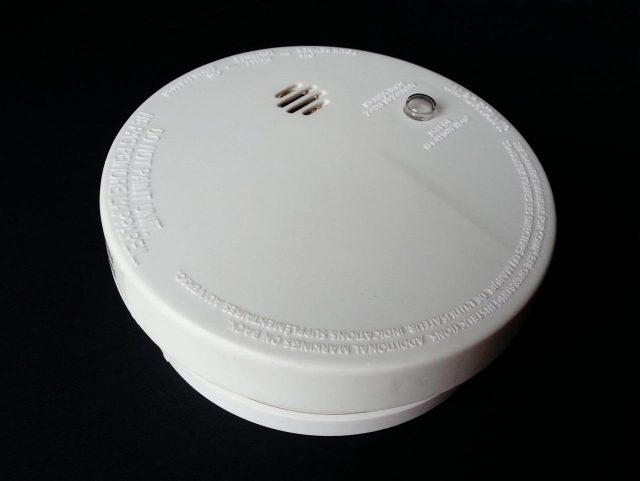
It’s always important to have a structured maintenance plan for fire detection systems. Otherwise, you’ll have to deal with lots of related issues like false alarms and even risk compliance.
For facilities managers, electrical contractors and property owners across the UK, it’s important to ensure you get high-quality smoke alarms from RS and create a maintenance plan as it’s a key part of meeting legal obligations and protecting both people and properties. It’s also a requirement to ensure compliance with the 2005 Regulatory Reform Order on Fire Safety.
In this guide, we will explore ways to develop a sound maintenance strategy that is consistent with UK standards and best practices.
Identify realistic fire and system risks
The starting point is understanding the risks within your building. Not all environments pose the same risk, and this should be taken into account when planning maintenance work.
Consider risks such as electrical faults or overloaded circuits and the various fire sources in kitchens or plant rooms. There’s also dust or humid conditions as these tend to affect detectors, and battery or mains power failure.
Once you have established these risks, you can then prioritise them according to likelihood and potential risk. Environments that pose higher risks will need to be inspected and tested more frequently.
Properly equip and standardise your systems
The next thing that you need to do is to make sure that your smoke alarms and other related components are compatible with your building. There are a number of verifications that you need to carry out when looking for replacements or upgrades.
First and foremost, they have to meet UK standards. Secondly, they should be compatible with existing control panels. Apart from that, they should suit the specific environmental conditions to ensure they are reliable.
Develop clear maintenance procedures
Keep in mind the maintenance schedule you develop must comply with the UK BS 5839-1 recommendations. Also, take into account that, the best systems do not mean success if there are no defined maintenance procedures. In fact, effective maintenance procedures promise greater success.
If your procedures are not clearly defined, responding to issues could become more difficult.
Thus, develop a simple set of procedures that include the following items:
- Weekly user tests
- Regular inspection by qualified engineers
- Annual servicing and verification
- Battery checks and power supply testing
- Detector cleaning and calibration
These procedures should be straightforward, showing who performs each task, how faults are escalated, and how records are logged. This will contribute to greater uniformity among teams and sites.
Train staff and assign responsibilities
Staff training and responsibility assignments are critical as without clarity of responsibilities, even the best maintenance plans will fail. To succeed, it is essential to ensure that site staff are aware of how to perform the checks. Facility managers are responsible for scheduling and coordinating service once this is completed. Contractors will typically perform technical inspections and repairs. It is also essential to ensure that there is a responsible individual who monitors overall compliance.
For continued success, refresher training and drills should be done on a regular basis, as this will increase the readiness of the team for a successful response to a system fault or alarm.
Monitor, record and improve continuously
After each system fault, unwanted alarm or inspection, it is a good practice to look at what went right and what went wrong.
Thereafter, the dates of the tests and results, all system faults identified, corrective measures taken, and replacement parts utilised must be recorded. For auditing and to ensure plans are sustainable, facility managers must have all their records in digital format.
When the above activities are successfully done, it eventually enhances reliability, reduces false fire alarms, and improves fire safety management.