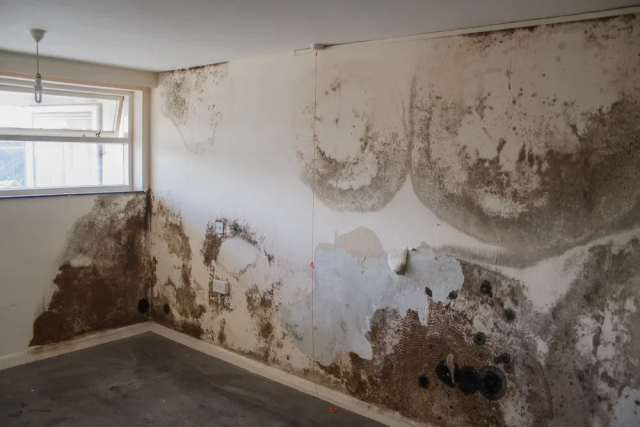
Renovating older UK properties often reveals hidden damp issues that, if left untreated, can cause ongoing damage to both structure and fabric. Effective damp-proofing is essential to protect these homes from moisture ingress, which can lead to timber decay, salt deposits, and structural weakening. Addressing damp problems with appropriate methods tailored to period properties ensures a lasting restoration and preserves the building’s integrity.
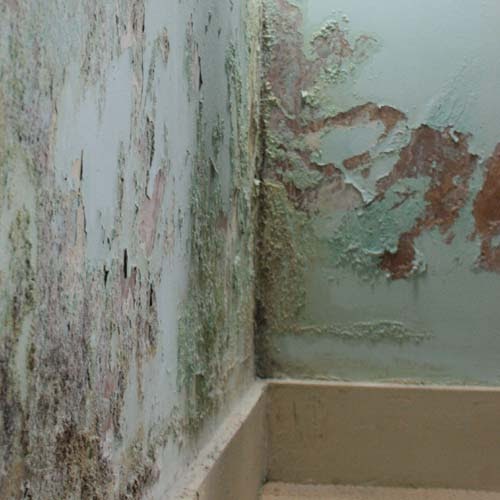
Older buildings require careful treatment using breathable materials to avoid trapping residual moisture, a common pitfall when applying modern cement-based products. Combining physical damp proof courses, ventilation improvements, and drainage systems forms the backbone of a successful damp-proofing strategy. Understanding these tailored solutions is key to preventing recurrent issues and maintaining the property’s value over time.
By investing in targeted damp-proofing during renovation, homeowners avoid costly repairs and health-related problems linked to mould and damp environments. Damp-proofing is not just a technical step but a crucial part of restoring an older home to its full potential and ensuring its longevity for future generations.
Understanding Damp in Older UK Properties
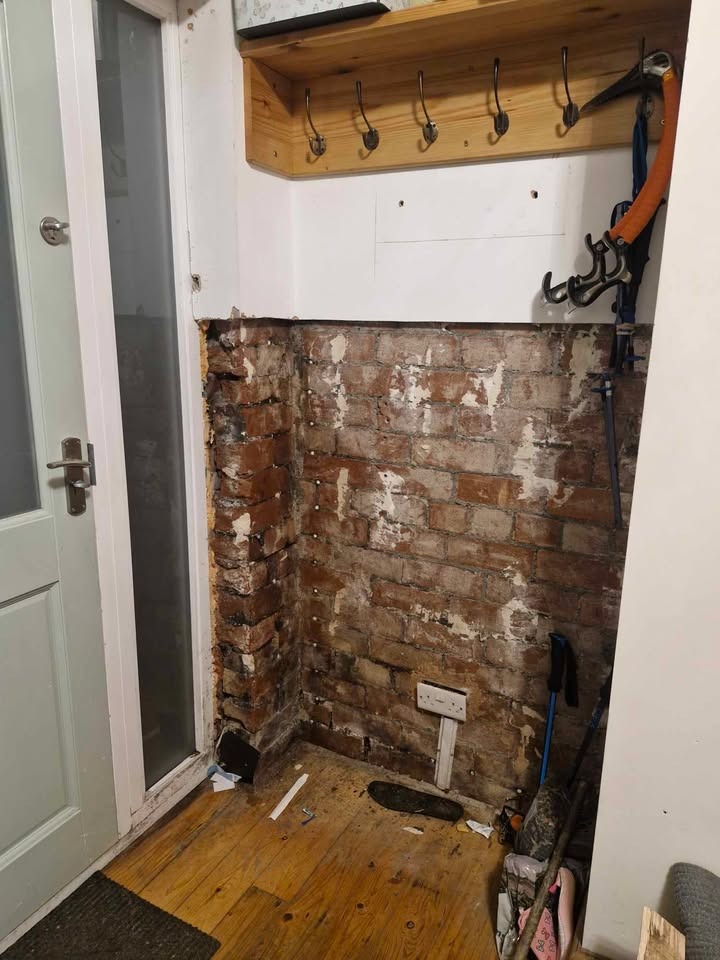
Damp in older properties often results from specific types and causes linked to traditional construction methods. Identifying the right symptoms early is essential to prevent long-term damage and to apply suitable restoration techniques that respect the property’s heritage.
Common Types of Damp
There are three main types of damp commonly found in older UK properties: rising damp, penetrating damp, and condensation.
- Rising Damp occurs when moisture from the ground travels upward through porous masonry without an effective damp-proof course (DPC). It typically shows as tide marks on internal walls, salt deposits, and peeling paint.
- Penetrating Damp results from water entering through damaged roofs, walls, or faulty gutters. It often causes localised wet patches and mould growth on external-facing walls.
- Condensation is caused by poor ventilation and high humidity inside the home. Unlike the others, it primarily affects internal surfaces and can lead to mould on windows and corners.
Causes of Damp in Historic Buildings
Older UK buildings often lack modern damp-proofing measures, making them vulnerable to moisture issues. Many were constructed with lime mortar and breathable materials that allow moisture to evaporate naturally. Introducing cement-based renders or non-breathable paints traps moisture, worsening damp problems.
Other causes include:
- Faulty or missing DPCs
- Blocked or broken rainwater goods
- Inappropriate modern repairs
- Rising groundwater levels, especially in rural or low-lying areas
Moisture can also be drawn into walls by hygroscopic salts, which attract and hold damp even after the original source is fixed.
Recognising Signs of Moisture Issues
Early detection of damp is critical. Visible signs include:
- Peeling or blistering paint and wallpaper
- Staining and tide marks on plaster or masonry
- Crumbling plaster or salt efflorescence (white powdery deposits)
- Mould or mildew growth in corners, behind furniture, or near windows
- Musty odours signaling prolonged dampness
Timber decay such as wet rot can extend beyond visible areas and compromise structural elements. Using a moisture meter and inspecting external conditions can help confirm the presence and source of damp accurately.
Damp-Proofing Methods for Renovation
Effective damp-proofing during renovation targets moisture at its source and ensures long-term protection without damaging the building’s structure. Addressing rising damp, penetrating damp, and condensation requires specialised methods that suit older properties’ unique construction.
Chemical Damp-Proof Courses
Chemical damp-proof courses (DPCs) are a popular solution for older buildings lacking an effective physical barrier. This involves injecting a water-repellent chemical into the mortar course of walls to block moisture rising through capillary action. The chemical forms a horizontal barrier that prevents damp from climbing up the walls.
Application requires careful drilling into the brickwork at regular intervals for the chemical to spread evenly. It is essential to select products compatible with the building materials to avoid damaging historic fabric. While effective against rising damp, chemical DPCs do not address penetrating damp or condensation, so they are often part of a broader damp control strategy.
Physical Damp-Proof Barriers
Physical damp-proof barriers include materials installed during renovation to block moisture mechanically. These usually consist of membranes, damp-proof courses, or tanking systems inserted horizontally or vertically within walls or floors.
An effective physical DPC is typically a robust layer of bituminous felt, polyethylene, or other waterproof material. It is often added beneath floor slabs or within cavity walls. Installing or replacing a physical barrier in older properties requires precision, especially to integrate with existing construction without disrupting the building’s integrity.
Physical barriers are best combined with proper drainage and surface water management to reduce moisture exposure.
Ventilation and Airflow Improvements
Proper ventilation is critical for controlling condensation and maintaining dry interiors in older properties. Poor airflow traps moisture inside, leading to mould growth and timber decay. Renovation should include installing or upgrading vents, air bricks, or extractor fans to improve airflow.
Mechanical ventilation with heat recovery (MVHR) systems can be effective where natural ventilation is insufficient. Maintaining consistent air exchange reduces humidity levels, complements damp-proofing measures, and helps prevent damp symptoms.
Regular maintenance of ventilation points and ensuring they are not blocked is essential in managing moisture long term.
Restoration Techniques for Heritage Properties
Effective restoration balances preserving original features with addressing current structural needs. This requires careful selection of materials, repair tactics that cause minimal disturbance, and adherence to regulations protecting historic sites.
Sensitive Repair Approaches
Repairs must aim to retain as much of the original fabric as possible. Non-invasive methods are preferred, such as consolidating existing materials rather than replacing them entirely. When timber decay or masonry damage occurs, targeted repairs, like resin injections or careful repointing, prevent unnecessary loss of historic fabric.
Cleaning should avoid abrasive techniques to preserve patina and surface details. Repair work must be documented thoroughly, ensuring future restorers understand what has been altered. This sensitivity helps maintain the property’s aesthetic and heritage value while preventing further deterioration.
Traditional Materials and Methods
Using period-appropriate materials is critical. Lime mortar, not modern cement, is essential for repointing, as it allows the building to “breathe” and avoids trapping moisture. Lime-based products also accommodate natural movement in older walls, reducing cracking.
Historic properties often require hand-crafted components such as timber beams, lead flashing, and natural slate roofing. These materials match the original construction and contribute to the building’s authenticity. Replicating original joinery and finishes further preserves visual integrity, enabling the property to retain its character over time.
Working with Listed Buildings
Listed buildings demand strict compliance with legal and conservation guidelines. Any intervention requires prior approval from heritage authorities, ensuring restoration respects the building’s historical significance.
Specialist professionals with experience in listed property work are essential. They understand the limits on alteration and use methods compatible with the building’s age and style. Documentation, such as heritage impact assessments and detailed plans, supports the approval process and guides careful execution of restoration works.
Preventing Damp Recurrence
Maintaining a dry, structurally sound property requires ongoing attention to moisture control. Key measures include proactive upkeep, managing water flow around the building, and using landscape design to channel water away from vulnerable areas.
Regular Property Maintenance
Consistent inspection and repair prevent minor damp issues from escalating. Walls, roofs, and external brickwork should be checked for cracks, missing mortar, or damage that might allow water ingress. Early intervention limits moisture penetration.
Internal ventilation must also be monitored to reduce condensation. Extractor fans or dehumidifiers in kitchens and bathrooms help regulate humidity. Ensuring windows open fully and are well-maintained supports air circulation, which discourages mould growth.
Recording problems like salt deposits or damp patches aids in tracking potential recurrence. Regular maintenance reduces the risk of costly structural repairs related to untreated damp.
Effective Gutter and Drainage Management
Clearing gutters and downspouts of leaves, debris, and blockages ensures that rainwater flows correctly away from the property. Overflowing gutters can cause water to seep into walls or foundations, elevating damp risk.
Install gutter guards to reduce debris build-up. Drainage systems should be checked for damage or clogging. Where possible, install drains directing water away from the building’s base.
Ensure drain slopes are adequate for effective water removal. Poor drainage near the foundation often leads to rising damp. Regular service intervals, especially before rainy seasons, are necessary to maintain gutter and drainage efficiency.
Landscaping to Divert Water
Ground levels and soil types around the property affect water movement. All landscaping should slope away from the building to prevent water pooling near walls and foundations.
Use permeable surfaces such as gravel or porous paving to improve water absorption and discourage surface water flow toward the structure. Avoid planting shrubs or trees with large root systems near foundations, as roots can disrupt damp-proof courses.
Installing French drains or soakaways creates additional drainage paths. Careful landscaping reduces the risk of penetrating and rising damp by controlling external moisture sources before they reach the property.
Choosing Professionals and Ensuring Compliance
Proper damp-proofing requires skilled professionals who understand the specifics of older buildings and current legal standards. This includes verifying qualifications, adhering to building regulations, and obtaining the necessary certifications for work legitimacy and future property transactions.
Selecting Qualified Damp-Proofing Experts
Choosing experts with experience in historic properties is vital. They should have a strong track record dealing with moisture issues specific to older UK homes, such as rising damp or penetrating moisture. Checking memberships in recognised trade bodies, such as the Property Care Association (PCA), ensures they meet professional standards.
It’s important that specialists provide a thorough assessment before work begins, including identifying all sources of damp. A clear, written quote detailing the scope and methods used is essential. References or case studies from similar restoration projects offer further assurance of their capability.
Understanding Building Regulations
Damp-proofing repairs and installations must comply with UK Building Regulations. These legal standards dictate the materials and methods used to control moisture and protect structural integrity. Compliance affects not only safety but can impact insurance and future resale value.
Local authorities may need to approve certain works, especially on listed or conservation area properties. Contractors should work closely with building control officers to ensure all requirements are met. Staying current with both national and local regulations is crucial to avoid penalties and ensure work validity.
Certification and Guarantees
Upon completion, obtaining certificates of compliance with building regulations is necessary. These documents confirm that all work meets legal standards and may be required when selling the property. Qualified professionals will provide such certification alongside a written guarantee covering materials and workmanship.
A guarantee typically lasts 5-10 years, offering protection against recurring damp issues. Homeowners should ensure that guarantees are clear about what is covered and the conditions involved. This formal documentation supports long-term confidence in the damp-proofing work carried out.
Frequently Asked Questions
Identifying damp early relies on recognising specific physical signs and understanding environmental factors. Effective damp-proofing in older properties requires methods that protect without damaging historic materials or aesthetics.
What are the key indicators of damp in historical UK buildings?
Common signs include peeling paint, black mould, musty odours, and cold or wet walls. Crumbling plaster and water stains on interior surfaces also indicate moisture problems.
Visible timber decay may extend beyond what can be seen, so further inspection is often necessary. These indicators point to issues like rising damp, condensation, or leaks.
How can one effectively balance the need for modern damp-proofing while preserving the architectural integrity of an older property?
Using breathable materials is essential to avoid trapping moisture within walls. Traditional lime-based treatments often work better than modern cement renders in older buildings.
Careful selection of damp-proofing injections or barriers that do not alter the building’s appearance helps maintain historic features. Consultation with a conservation specialist is advisable.
What are the most suitable damp-proofing methods for stone and brick-built structures?
Damp-proof course injection is commonly used to prevent rising damp in brick and stone walls. Lime plaster and breathable renders support moisture evaporation while protecting surfaces.
Improving drainage around the property and installing French drains can reduce external water penetration. Methods should always consider the wall’s permeability and heritage status.
Is it necessary to obtain permission for damp-proofing work in listed buildings?
Yes, listed buildings require consent before any work that could affect their character. This includes alterations to walls, floors, or materials used in damp-proofing treatments.
Owners should check with local conservation officers and secure listed building consent to ensure compliance with regulations.
What role does ventilation play in the management of damp within older properties?
Adequate ventilation reduces condensation, a major source of damp. Installing vents or using mechanical ventilation in areas prone to moisture helps maintain dry internal air.
Maintaining air flow around and within the property’s fabric prevents the build-up of harmful damp and mould.
How often should damp assessments be conducted in UK heritage homes?
Regular inspections every two to three years are recommended, or more frequently if issues are detected. Early identification allows timely intervention, minimising structural damage.
Professional surveys provide detailed analysis, especially after periods of heavy rain or visible changes in building condition.