
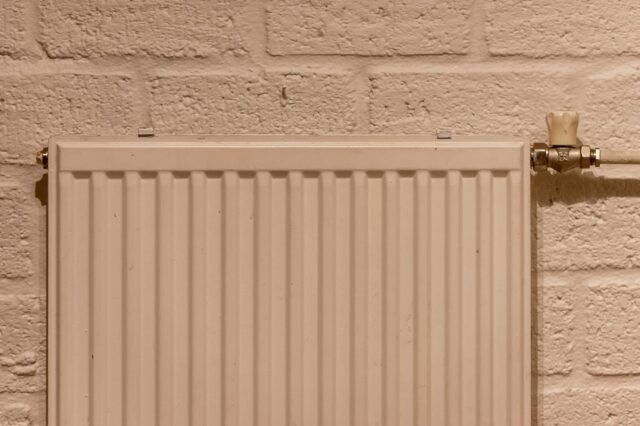
A radiator that feels cooler than expected can be unsettling when you are used to a different heating system. Touching it is an immediate test, so it is tempting to conclude that the heating must be inadequate. Yet the temperature of one surface does not tell you whether the room is comfortable or whether the system is working as designed.
With a heat pump, it is more useful to understand the relationship between the building, the heating water and the emitters that transfer heat into each room. A radiator is one part of that arrangement. Before changing settings or assuming a fault, gather a clearer picture of what the house is experiencing.
Start with the room, not the metal
Ask whether the room reaches and maintains the temperature intended by the system design. Notice when it feels uncomfortable, whether that affects every room and how long the pattern has been present. These observations give an installer more useful information than a comparison between the radiator and your hand.
Record the conditions alongside the observation. The weather, an open external door or a changed heating schedule may help explain why one day feels different. A single reading without context can be misleading. Look for a repeatable pattern and use the system’s own guidance on when and how to assess comfort.
Keep the distinction between air temperature and personal comfort in mind. Sitting beside a draughty window can feel different from sitting elsewhere in the same room. That does not identify the cause on its own, but it gives the person investigating the system a better starting point.
When researching Heat Pumps, useful questions concern room-by-room heat requirements and how the proposed emitters will meet them. The design should explain the relationship between the equipment and the home. The expectation that every radiator will feel very hot is not a substitute for that explanation.
Understand what the water temperature does
The flow temperature is the temperature of the water sent around the heating circuit. It is different from the room temperature selected on a thermostat. Confusing the two can make control settings difficult to understand and can lead to adjustments that do not address the original problem.
Energy Saving Trust guidance explains that lower flow temperatures can support heat-pump efficiency. It also notes that radiators must be large enough for the rooms they heat. The useful question is therefore whether the complete system can deliver the required comfort at its intended operating conditions.
There is no single radiator size or flow setting that can be prescribed for every house. Room dimensions, heat loss and the emitter’s performance all matter. Existing radiators should be assessed as part of the design rather than assumed to be suitable or unsuitable simply because of their age.
Ask the installer to explain the design in terms you can use. Which rooms needed particular attention? What assumptions were made about insulation and indoor temperatures? If those assumptions change during a renovation, the heating plan may need to be reviewed as well. Keep any agreed changes with the system documents so that the reasoning is not lost.
Observe before making repeated adjustments
If the house feels different from what you expected, start a short record of the problem. Note the room, the approximate time and what you noticed. Include any recent changes to settings or room use. A concise account over several ordinary days is often more useful than a long list of experiments made in one evening.
Avoid changing several controls at once. If you alter the schedule, room settings and other parameters together, it becomes difficult to know which change affected the result. Follow the operating instructions and ask the installer which adjustments are intended for the user.
Keep ordinary access to radiators and controls clear so their operation can be assessed. Photograph an error message if one appears and report it accurately. Do not remove equipment covers or attempt electrical or refrigerant work as part of a household investigation. A fault indication deserves the appropriate professional response.
Treat sudden changes differently from an unfamiliar but stable pattern. A system that no longer provides the comfort it previously achieved needs investigation. Describe the change and when it began rather than deciding in advance which component must be responsible. That leaves room for a proper diagnosis.
Ask for an explanation you can use next winter
A good conversation about heating should leave you able to describe normal operation. Ask how the system responds to changing weather, which settings you should usually leave alone and what signs warrant a call. Request an explanation based on your installation rather than relying on an unrelated online example.
Discuss how performance should be reviewed over time. An electricity total can include other household uses, while the demand for heating changes with weather and occupancy. Comparing isolated bills without that context can create a misleading impression. Ask what records would support a meaningful review of your system.
Keep the questions focused on comfort and operation rather than a promised saving. Running costs depend on the building, system design, use and energy prices. No comparison between the feel of two radiators can establish the financial result for a home.
Once you understand what normal operation looks like, the radiator becomes less of a mystery. It may feel different from the heating you knew before while the room remains comfortable. If the result is unsatisfactory, a clear record and a design-based discussion provide a much stronger route to resolving it than repeatedly turning controls until the metal feels hotter.
Make the handover useful for everyone at home
If more than one person adjusts the heating, agree where the operating instructions and notes will be kept. An unexplained change by one household member can make another person’s observations difficult to interpret. Describe any setting changes in ordinary language and keep a record of the previous setting where the instructions allow user adjustment. When an installer visits, have the questions ready and ask them to demonstrate the controls you are expected to use. Repeat the explanation back in your own words if anything is unclear. A shared understanding of the installation helps the household give consistent information when seeking advice and avoids turning an unfamiliar control into a repeated experiment.