
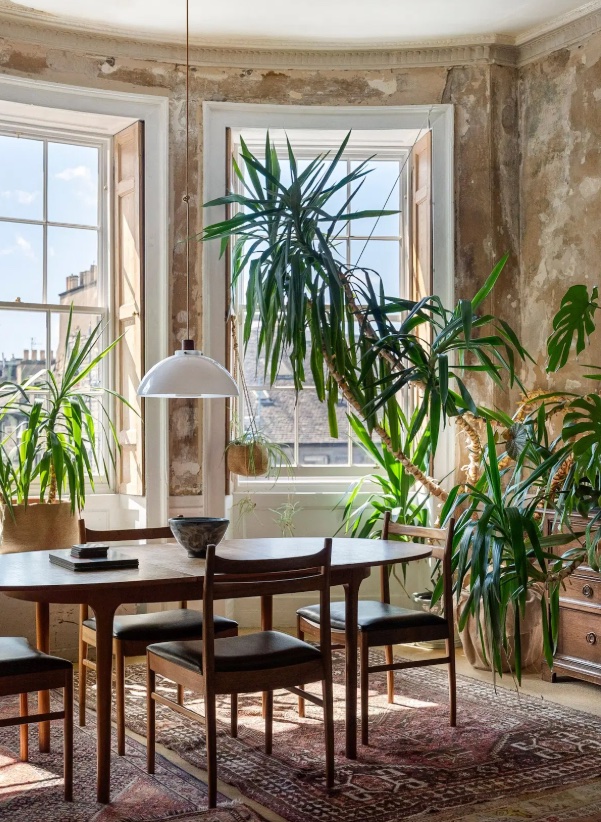
Among the properties for sale in Edinburgh, a large share are flats in stone tenements, the four- and five-storey buildings that line so much of the city. They are handsome and well located, and they come with a legal arrangement that surprises buyers from elsewhere in the UK. You own your flat outright, and you share responsibility for the rest of the building with your neighbours. Understanding how that works before you bid will save you money and a few awkward conversations on the stair landing.
Who pays for the roof
Your title deeds usually say how the cost of shared repairs is split. That covers the roof, the outer walls, the chimneys, the gutters and the common stair. Where the deeds are silent, default rules in the Tenements (Scotland) Act 2004 apply, and under those rules owners can decide on maintenance by majority vote. Even so, one neighbour who refuses to pay can leave the others waiting, so ask the seller how past repairs were organised and whether everyone settled up promptly.
The Home Report
Sellers in Scotland must provide a Home Report, which stays valid for twelve weeks and contains a survey, an energy report and a property questionnaire. Read the survey with the shared parts of the building in mind: the state of the roof, the chimney stacks and the rainwater pipes. The property questionnaire asks the seller about common repairs that have been carried out or are planned, and whether any work was done without proper paperwork. The valuation figure also tells your lender what it is willing to lend against the flat.
Offers over and closing dates
Many Edinburgh flats are marketed at “offers over” a stated price, which is where offers start, not where they stop. Interested buyers submit offers by a closing date, and the seller considers them all together. An accepted offer in Scotland becomes legally binding once the solicitors conclude the missives, so have your mortgage in principle, your survey and your solicitor lined up before you bid. Trying to arrange them afterwards is a stressful way to buy a home.
The factor, the insurance and the stair
Many tenements employ a property factor, who arranges common repairs, buildings insurance and cleaning of the stair. Ask for the factor’s contact details, the annual fee and a copy of recent invoices. If there is no factor, ask who arranges the insurance and who holds the money for repairs, if anyone does. Then go and look at the stair and the top landing yourself. Peeling paint and stained ceilings under the roof will tell you more than a brochure.
Questions to put to the seller
Ask whether any major work is planned, such as stonework or roof repairs, and whether the new owner will be asked to contribute. Ask to see minutes of recent owners’ meetings. Ask about the windows too. Much of central Edinburgh sits in conservation areas, and the Old and New Towns form a World Heritage Site, so replacing windows may need consent from the council. A flat with original sash windows may be worth more than one with cheap replacements, and it may also be subject to tighter rules.
Heating, damp and noise
Stone tenements are solid and cold in winter, and a top-floor flat loses heat through the roof. Check the heating, the glazing and any signs of damp on outside walls, particularly in ground-floor and basement flats. Listen as well. Old floors carry sound, and a quiet viewing at three in the afternoon may not match a Friday evening. Ask about the neighbours, and if you can, stand on the stair for a few minutes.
What it means in practice
A tenement flat in good order is a sound purchase, and many of them are lovely places to live. A badly organised building with a tired roof can mean a large bill within a couple of years, and no say in when it arrives. The questions above take an afternoon to ask, and they are the difference between buying a flat and buying a share in a problem.