Gloucester’s outdoor spaces are as varied as its property stock. Victorian terraces with modest rear gardens, generous suburban plots, commercial premises that need to make a strong first impression, rural properties where the boundary between garden and countryside blurs. Landscapers in Gloucester work across all of it — and the best ones bring design knowledge, construction expertise, and genuine horticultural understanding to every project.
Here’s what shapes good landscaping outcomes in the area.
Why No Two Projects Are the Same
Ground conditions, soil quality, drainage requirements, existing structures, available space, intended use — these variables combine differently on every site. A landscaping solution that works perfectly for one property can be entirely wrong for another fifty metres away.
That’s not a complication. It’s why professional assessment matters. A family wanting an outdoor entertainment space needs completely different solutions from a homeowner focused on wildlife habitat creation. Getting that brief right at the start determines whether the finished result actually works for the people using it.
The Main Service Areas
Garden design forms the foundation. How elements work together, movement through the space, seasonal appearance, privacy, maintenance expectations, how planting will develop over years — good design addresses all of this before anything gets built.
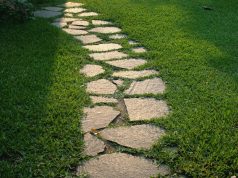
Construction and installation follows: patios, pathways, retaining walls, fencing, decking, raised planting beds. These structural elements define layout and functionality. They’re also largely permanent — changes after installation are disruptive and expensive, which makes getting the design right beforehand worth the investment.
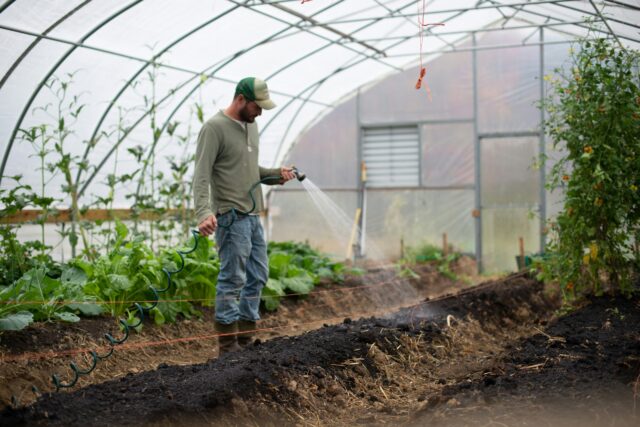
Planting and horticulture rounds it out. Tree, shrub, and flower selection provides visual interest across seasons while supporting local biodiversity. Plant choices suited to Gloucester’s specific growing conditions require less irrigation and intervention — the wrong plants create ongoing maintenance problems that accumulate over time.
The Real Benefits
Functionality improvement is often underestimated. Many gardens contain unused or poorly organised space that professional landscaping transforms into genuinely practical extensions of a property — outdoor dining areas, children’s play zones, accessible pathways, garden buildings. Space that wasn’t working starts to earn its place.
Environmental benefits stack up alongside the practical ones. Increased biodiversity, better rainwater management, reduced soil erosion, improved air quality through planting — these aren’t incidental. They’re outcomes of thoughtful landscape design that considers the site’s role in its local ecosystem.
Property appeal matters too. A well-landscaped outdoor space creates stronger visual impact than an undeveloped one, whether for residential marketability or commercial first impressions. In Gloucester’s property market, that difference is measurable.
The Challenges Worth Understanding
Budget versus quality is the persistent tension. Higher-quality materials carry a larger upfront cost and generally deliver longer service life, better long-term appearance, and lower maintenance costs. Cheaper materials often create false economy — they need replacing or repairing sooner, at cumulative cost that exceeds the original saving.
Maintenance requirements deserve honest assessment before installation. A mixed flower border looks spectacular and demands consistent attention. A gravel garden with drought-tolerant planting looks good and largely looks after itself. Composite decking needs minimal care. Natural lawns need regular mowing, feeding, and seasonal treatment. Understanding what you’re actually committing to before the work starts prevents a lot of future dissatisfaction.
Gloucester’s climate — generally supportive of varied planting but subject to heavy rainfall, occasional drought, and seasonal temperature swings — makes drainage planning particularly important. Poorly managed water runoff creates waterlogging that damages planting and deteriorates hard surfaces. Good landscapers incorporate drainage solutions from the design stage.
Sustainability: Increasingly Central
Permeable surfaces have become standard specification on serious landscaping projects. Traditional impermeable paving contributes to runoff and drainage problems; permeable alternatives let rainwater soak naturally into the ground, reducing pressure on drainage systems.
Native planting continues to gain ground. Species suited to local growing conditions support native wildlife populations, require less irrigation, and prove more resilient than exotic alternatives that need constant management to survive.
Material reuse — reclaimed stone, recycled aggregates, repurposed timber — reduces environmental impact and often produces more characterful results than new materials. Landscapers in Gloucester working at the better end of the market incorporate these approaches as standard rather than as premium add-ons.
Trends Shaping the Local Market
Outdoor living spaces have become genuine extensions of interior living rather than separate zones. Outdoor kitchens, covered seating areas, fire pits, integrated lighting — these features reflect how people actually want to use their gardens rather than how gardens were traditionally designed.
Low-maintenance design has grown substantially as a client priority. Drought-tolerant planting, decorative gravel, durable hard landscaping materials — the combination delivers attractive results without demanding significant ongoing effort.
Year-round design thinking has shifted attention away from purely summer-focused schemes. Contemporary landscape design creates visual interest across all four seasons — structure from hard landscaping and evergreen planting carrying the space through winter when summer colour has faded.
Making the Decision Well
Before beginning any landscaping project, the questions worth answering are straightforward: how will the space actually be used, how much maintenance time is realistically available, what are the long-term budget requirements, what are the environmental objectives, and how might needs change over time?
Landscapers in Gloucester worth working with ask these questions before proposing solutions. The answers shape everything — materials, planting choices, drainage design, maintenance requirements. Projects that start with honest answers to these questions deliver results that last. Those that don’t tend to become problems within a few seasons.