Birmingham homeowners have been investing in outdoor spaces more seriously over the past few years. Gardens have become extensions of living rooms, patios have turned into entertainment zones, and hot tubs in Birmingham have moved from occasional luxury to mainstream consideration for households wanting year-round relaxation at home.
But buying one without thinking it through properly is an expensive mistake. Here’s what actually matters.
Why Demand Has Grown
The shift toward home wellness has been consistent and it hasn’t reversed. People spending more time at home, investing in outdoor spaces, wanting relaxation options that don’t require travelling to a spa or leisure centre — hot tubs sit squarely in that trend.
Birmingham’s climate makes the case stronger than it might in warmer regions. Cooler temperatures mean a heated tub is genuinely appealing for more of the year, which improves the return on the investment compared to somewhere where seasonal use limits it to three months.
The Four Main Types
Portable hot tubs are the most common residential choice — relatively easy to install, suitable for gardens, patios, or decking, available across a wide price range.
Inflatable hot tubs sit at the affordable end. Flexible, seasonal, easy to store when not in use. Not built for daily year-round use, but fine for occasional or temporary applications.
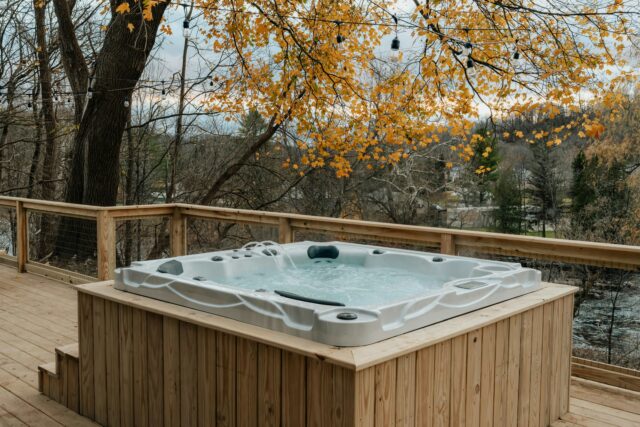
Built-in hot tubs are permanently installed, often integrated into decking or landscaped areas. Premium appearance, higher cost, more installation complexity — the right choice for homeowners treating the outdoor space as a long-term project.
Swim spas bridge the gap between hot tub and small pool, providing both relaxation and exercise functionality. Bigger footprint, bigger investment, broader capability.
The Health and Wellness Case
Warm water immersion has genuine therapeutic application — muscle relaxation, improved circulation, joint relief, stress reduction, better sleep after evening use. These aren’t marketing claims; hydrotherapy uses warm water for recovery and rehabilitation for documented reasons.
That said, hot tubs aren’t medical devices. The benefits are real but should be understood as complementary to active health management rather than a replacement for it.
Installation: The Bit People Underestimate
This is where the practical reality hits. A hot tub isn’t a garden ornament you place and plug in. Several things need sorting before the unit arrives.
Weight is the first consideration. A filled hot tub is heavy — significantly heavier than most garden surfaces are designed to bear. A stable, level base is essential: concrete, reinforced decking, or properly prepared paving. Getting this wrong creates structural problems that are expensive to fix.
Electrical requirements are non-negotiable. Most hot tubs need a dedicated power supply installed by a qualified electrician — this isn’t a job for extension leads or consumer unit DIY.
Privacy and positioning matter too. Fencing, landscaping, screening for wind protection — these contribute to how usable the space actually feels in practice.
Running Costs: The Ongoing Reality
The purchase price is not the full cost of owning a hot tub. Electricity for heating and filtration runs continuously. Water treatment chemicals need regular purchasing and applying. Maintenance and occasional servicing add to the annual figure.
Modern models are considerably more energy efficient than older designs — insulated covers, improved heating systems, smart controls — but usage frequency and outdoor temperature still affect monthly bills meaningfully. Get a realistic running cost estimate before committing, not after.
Maintenance: Consistent, Not Complicated
Water chemistry needs monitoring and balancing regularly. Filters need cleaning or replacing. Water needs draining and refilling periodically. Pumps and jets need inspection. Covers need keeping clean and properly sealed.
None of this is technically difficult, but it requires consistent attention. Neglect leads to water quality problems and reduced system performance — both of which undermine the enjoyment the purchase was meant to deliver.
Choosing the Right Model
Number of regular users, available outdoor space, purchase and installation budget, intended use — relaxation, therapy, social entertaining — and long-term running cost expectations all feed into the right choice.
A couple in a suburban Birmingham garden with a modest budget and a primary interest in evening relaxation needs a very different product from a larger household wanting a social centrepiece that hosts gatherings regularly. Getting clear on the actual use case before browsing models saves time and prevents regret.
Design Integration
Modern hot tubs are designed to sit within outdoor spaces rather than dominate them. Decking integration, LED lighting for evening ambience, minimalist exterior finishes, landscaping and screening, covered pergola installations — these choices make the difference between a hot tub that feels like an afterthought and one that feels like a natural part of a considered outdoor space.
The investment in getting the surroundings right is usually worth it. A well-integrated hot tub adds to the overall quality of the outdoor environment. A poorly positioned one in an unfinished garden rarely delivers what the purchase promised.