Spend any time walking through Cheltenham and the Regency influence is hard to miss — stucco facades, elegant terraces, streets that were clearly planned with some care. That history isn’t just background scenery though. It shapes nearly every project that architects in Cheltenham take on, from small extensions to major regeneration work.
The town’s evolving, same as anywhere else. But here, evolution has to negotiate with preservation constantly. Property owners, developers, even public-sector bodies increasingly lean on architectural expertise just to navigate that tension — planning rules, site potential, what’s actually achievable without upsetting conservation officers.
So what does that work actually involve?
Not just design — the whole journey
People often picture architects sketching elevations and that’s it. In practice, the role covers far more: feasibility studies at the start, concept development, planning applications, technical drawings, then often staying involved through construction itself.
Locally, that spans residential extensions and renovations, new-build housing, heritage and conservation projects, commercial and office work, educational and community buildings, sustainable design, interior space planning — pretty much the full range. And because Cheltenham has so many listed buildings and conservation areas, architectural input often becomes essential rather than optional the moment a historic property’s involved.
The Regency factor
Cheltenham’s identity is bound up with its Regency-era architecture — terraces, stucco, carefully planned public spaces. All genuinely lovely. Also genuinely complicated when someone wants to add a kitchen extension or convert a loft.
Historic buildings carry real cultural value, but altering them usually means navigating conservation regulations carefully. Architects end up balancing modern needs — energy efficiency, accessibility, just making spaces work for how people live now — against the need to preserve what makes these buildings significant in the first place. Not always a quick negotiation.
Planning and conservation, in practice
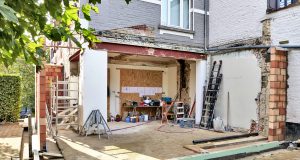
A lot of local projects involve working alongside planning authorities, conservation officers, structural engineers — sometimes all at once. What does that actually look like? Protecting historic features. Keeping streetscapes coherent. Choosing materials that won’t clash. Designing extensions that feel sympathetic rather than bolted-on. And meeting sustainability standards throughout, because that requirement isn’t going away regardless of a building’s age.
Pulling all that together takes technical knowledge, sure — but also genuine creativity and, frankly, local experience. Knowing how Cheltenham’s planning department tends to respond to certain approaches matters more than people might expect.
Sustainability’s becoming unavoidable
Energy costs, environmental concerns, evolving regulations — together they’re pushing sustainability up the priority list for architecture firms Cheltenham property owners are increasingly turning to.
What’s actually getting specified more often: high-performance insulation, renewable energy systems, passive solar design, natural ventilation strategies, sustainable materials, water conservation measures. All of it aimed at reducing running costs while making buildings genuinely more comfortable to live or work in.
The tricky part comes with older buildings. Historic properties don’t always accommodate modern efficiency upgrades easily — without affecting character, anyway. Often it comes down to trade-offs: where can meaningful energy savings happen without compromising what makes the building worth preserving in the first place? Tailored solutions, generally, rather than one-size-fits-all retrofits.
What’s happening with homes
Lifestyles have shifted, and residential architecture’s following along. Remote work, multigenerational households, families wanting more flexible space — all of it’s driving demand for adaptations rather than relocations.
Common projects: rear and side extensions, loft conversions, garden studios, open-plan living spaces, home offices. Rather than moving somewhere bigger, a lot of homeowners are choosing to reshape what they’ve already got.
There’s also a noticeable trend toward contrast — glass extensions, minimalist interiors, contemporary materials dropped into period homes. Done well, it creates a striking visual juxtaposition while the original building keeps its character intact. Done poorly… it can overwhelm the very thing it’s supposed to complement. Getting that balance right takes real design judgment.
The commercial side
Architects contribute to Cheltenham’s economic picture too — commercial projects support business growth, draw investment, generally help the town’s infrastructure keep pace.
For office and mixed-use development specifically, modern businesses tend to want flexible, tech-enabled spaces that support collaborative work and changing patterns generally. That might mean adaptable floor plans, better energy performance, features aimed at employee wellbeing, integrated digital infrastructure, or mixed-use schemes blending residential and commercial uses on the same site. All of it aimed at creating spaces that actually function for how people work now — while making efficient use of land that’s often in short supply.
Regeneration work fits in here too — revitalising underused sites, strengthening communities, improving public spaces. Architectural expertise tends to be central to these schemes, not peripheral.
Choosing who to work with
Different architecture companies Cheltenham residents might consider often specialise — some lean heritage, some commercial, some residential extensions specifically. Worth factoring in: relevant project experience, familiarity with local planning policy, understanding of conservation requirements, communication style, technical capability, and how well they manage a project once it’s underway.
Looking at completed examples from experienced architects in Cheltenham tends to be genuinely useful here — gives a sense of range and approach before committing to anyone.
The challenges that keep coming up
Construction costs remain a persistent headache — inflation, material shortages, labour pressures all feeding into project budgets. Architects often end up redesigning elements partway through just to keep things financially viable without sacrificing quality.
Regulatory complexity isn’t slowing down either. Building regs, planning policy, environmental standards, conservation requirements — all shifting, all requiring ongoing attention just to stay current.
And there’s the broader tension around housing demand versus land constraints. Cheltenham, like plenty of desirable towns, faces pressure to grow while protecting what makes it distinctive. Architects sit right in the middle of that — finding solutions that allow development without eroding local character.
Where technology fits in
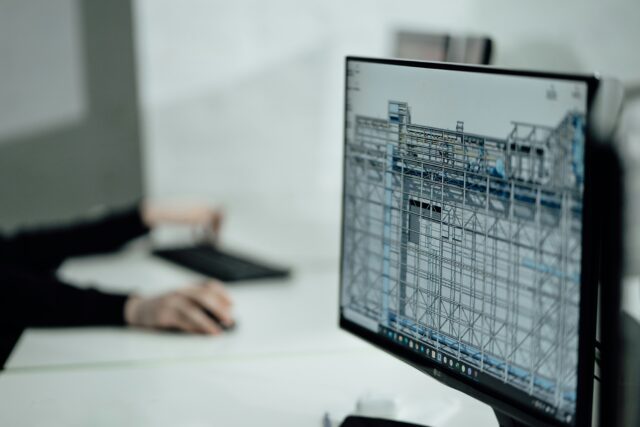
Digital tools are changing how projects get designed and managed. BIM, 3D visualisation, virtual reality walkthroughs, digital surveying, performance analysis driven by actual data — all increasingly standard rather than novel.
The upshot: better collaboration, fewer errors, and clients getting a clearer picture of what they’re actually signing off on before anything gets built. As these tools mature further, expect more emphasis on optimising performance and reducing waste from the earliest design stages.
Bottom line
Architects play a genuinely central role in how Cheltenham keeps developing — balancing heritage, sustainability, and modern expectations isn’t a side note to the work, it basically is the work. What architects in Cheltenham actually do extends well beyond aesthetics into planning, technical problem-solving, and long-term thinking about how the town functions.
Whether it’s a heritage restoration, a family extension, a commercial fit-out, or something bigger like regeneration — architecture firms Cheltenham property owners and developers turn to bring genuine expertise to all of it. And as sustainability expectations and technology keep moving forward, architecture companies Cheltenham residents rely on will likely matter more, not less, in shaping what the town becomes next.